What does a grease trap do?
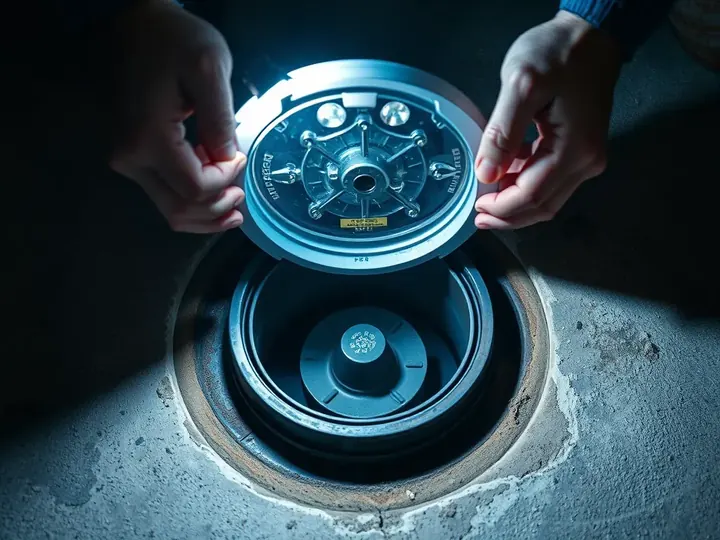
A grease trap, also called a grease interceptor, sits between a commercial kitchen's sinks and the sewer. Wastewater slows down inside it. Fats, oils and grease (often called FOG) float to the top, and food solids sink to the bottom. Cleaner water flows out the middle to the city sewer. When the trap fills, grease passes straight through and clogs the lines.
Flagstaff has a busy food scene, from downtown and Route 66 diners to cafes near NAU and breakfast spots that serve the Grand Canyon crowd. Busy kitchens fill their traps fast. If yours is backing up now, call our drain cleaning Flagstaff AZ team. We handle drain cleaning for Flagstaff businesses around the clock so you can stay open.
How often should a grease trap be cleaned?
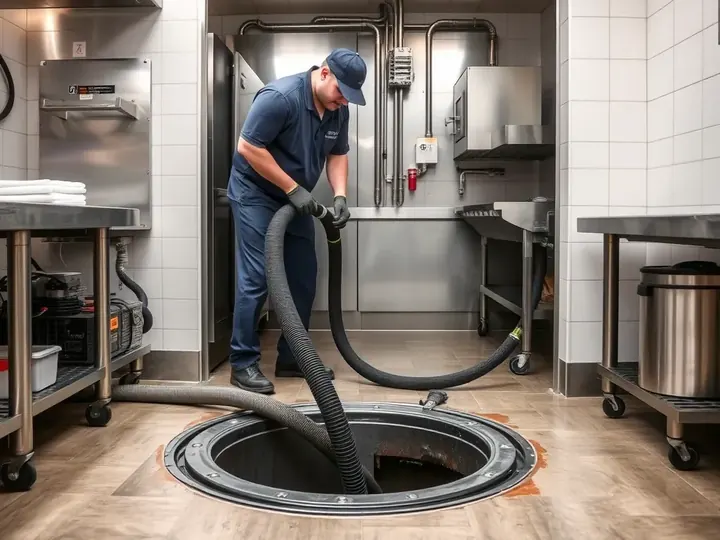
A common rule is to clean the trap when grease and solids fill about 25% of its depth. For small under-sink traps in a busy kitchen, that can mean every 1 to 4 weeks. Larger in-ground interceptors are often pumped every 1 to 3 months. Your city permit or pretreatment rules may set the exact schedule, so check them.
| Kitchen type | Typical cleaning |
|---|---|
| Coffee shop, light cooking | Every 1 to 3 months |
| Full-service restaurant | Every 2 to 4 weeks (small trap) |
| Fryer-heavy or high-volume kitchen | Weekly to every 2 weeks |
| Large in-ground interceptor | Every 1 to 3 months |
Summer tourist season and NAU move-in weeks are the busiest times. Many owners shorten the schedule then.
What are 6 signs your grease trap is full?
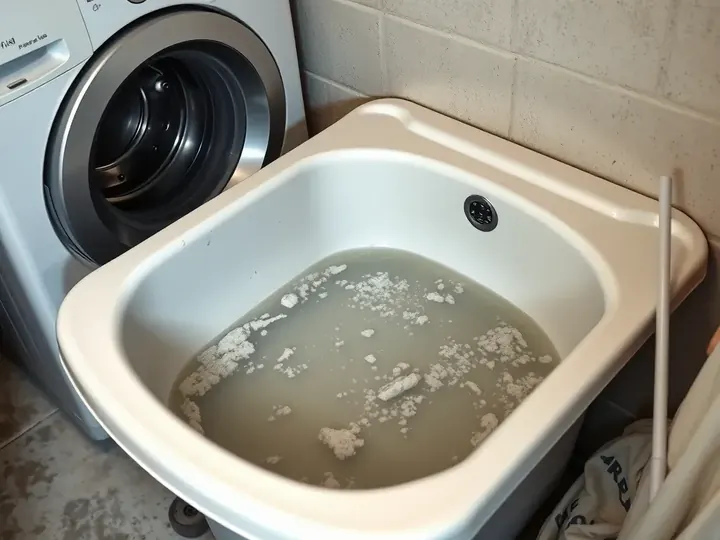
- Sinks drain slowly or hold water after the rush.
- A rotten egg or rancid smell near the trap or floor drains.
- Grease shows up in floor drains or the mop sink.
- Water backs up into the floor sink when the dishwasher drains.
- The trap lid is coated or grease seeps around it.
- Flies around the drains. See our guide to drain flies.
How can your kitchen stretch the time between cleanings?
- Scrape plates and pans into the trash before washing.
- Use sink strainers on every compartment sink.
- Never pour fryer oil down a drain. Store it in a waste oil container for pickup.
- Wipe greasy pans with paper towels first.
- Do not pour very hot water or degreasers into the trap to "melt" grease. It just moves the grease into the sewer line, where it hardens.
- Keep a cleaning log by the trap so every shift knows the date.
Home kitchens have the same problem on a smaller scale. Our guide on cooking grease and drain clogs covers it.
What if grease is already in the drain lines?
Once grease gets past the trap, it coats the pipe walls and narrows them. A cable machine punches a hole, but the grease stays on the walls and the clog returns. Hydro jetting scours the full pipe wall clean. In Flagstaff, hydro jetting runs $450 to $1,000, and a camera inspection is $200 to $450.
Many restaurants book hydro jetting services once or twice a year on top of regular trap cleaning. It keeps the lines from the kitchen to the street clear.
When should you call a pro?
Call right away if wastewater is coming up through floor sinks, if the smell reaches the dining room, or if drains stay slow after the trap is cleaned. These point to a clog in the line past the trap. If a camera finds a broken or sagging pipe, our drain repair Flagstaff crew can quote the repair.
Frequently asked questions
What is the 25% rule for grease traps?
Clean the trap when grease on top and solids on the bottom take up about a quarter of its liquid depth. Past that point, grease starts to flow through to the sewer.
Can I clean a small grease trap myself?
Many kitchens clean small under-sink traps in-house. Dispose of the waste properly and keep a log. Large interceptors need a pumping truck.
Do enzymes or bacteria replace grease trap cleaning?
No. Some products break grease into smaller bits that pass into the sewer and harden later. They do not replace pumping.
Why does my grease trap smell after it was cleaned?
The lid seal may be bad, a floor drain trap may be dry, or the line past the trap may still hold grease.