What are drain flies?
Drain flies are tiny gray or tan flies with fuzzy, moth-like wings. They rest on walls near sinks, tubs and floor drains and flutter in short hops. They are also called moth flies or sewer flies. They do not bite, but a steady swarm means something in a drain needs cleaning.
They are easy to mix up with fruit flies. Fruit flies hang around ripe food and the trash. Drain flies stay close to drains, especially in bathrooms, laundry rooms and basements.
Why do drain flies live in drains?
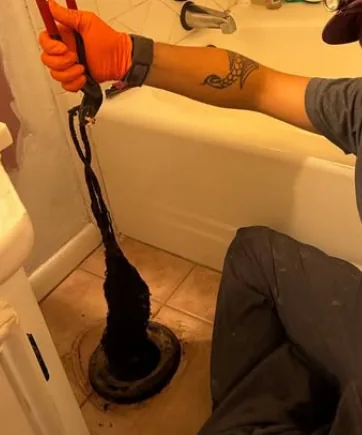
Drain flies lay their eggs in the slimy film that coats the inside of drain pipes. Hair, soap, grease and food scraps feed that film. As long as the slime stays, new flies keep hatching, even if you kill the adults you can see.
Drains that are used less often, like a guest bath, a basement shower or a garage floor drain, are common spots. A dry trap can also let flies in from the sewer side. See floor drain tips for keeping traps full.
How do I find which drain the flies come from?
Put a strip of clear tape over each drain opening at night, sticky side down, but leave a little gap for air. Check the tape in the morning. The drain with flies stuck to the tape is the one to clean. Do this for a few nights to be sure.
- Check sinks, tubs, showers, floor drains and the washer standpipe.
- Look at drains that are rarely used first.
- If no drain shows flies, look for a leak or wet spot under a sink or behind a toilet.
How do I get rid of drain flies?
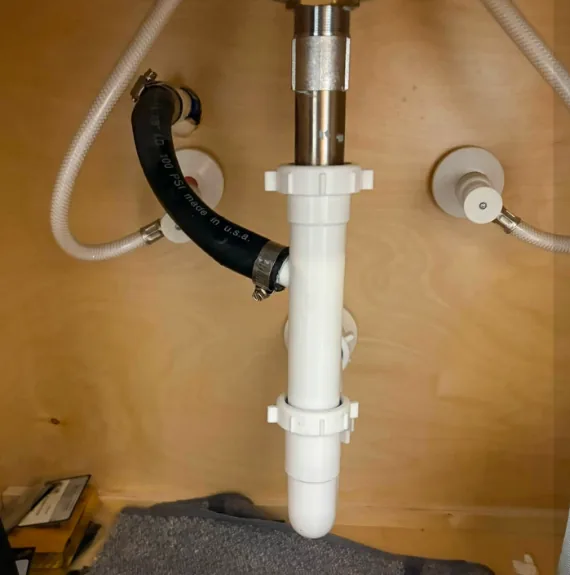
Clean the slime out of the drain, not just the flies in the room. Remove the stopper or cover, scrub the opening and the pipe as far as you can reach with a stiff drain brush, and flush with hot tap water. Clean the P-trap if you can reach it. Repeat for a week to catch new hatches.
- Pull out the stopper or strainer and clean off hair and gunk.
- Scrub inside the drain with a long, thin drain brush.
- Run hot tap water for a few minutes.
- Clean the P-trap under sinks. Our bathroom sink guide shows how.
- Use an enzyme drain cleaner if you like. It can help break down light film between cleanings.
What should I avoid?
Skip bug spray in the drain and harsh chemical drain cleaners. Spray only kills adult flies, and chemicals can splash, harm pipes and still leave the slime behind. Pouring boiling water can soften plastic pipe joints.
Read are chemical drain cleaners safe? for safer choices.
When should I call a drain pro?
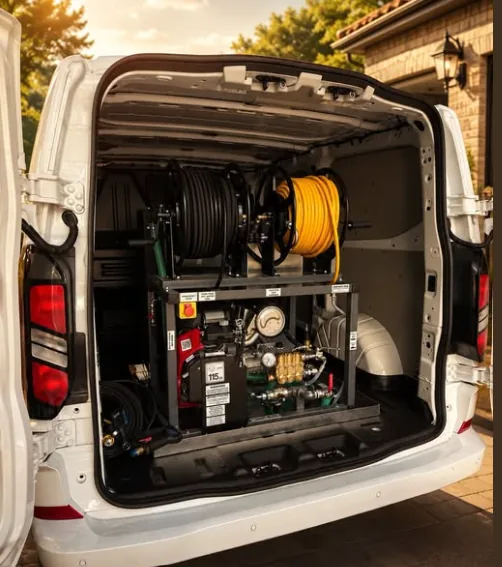
Call if flies come back after a week or two of cleaning, if several drains have flies, or if you also notice slow drains or a sewer smell. The buildup may be deep in the line where a brush cannot reach. A cable machine or hydro jetting scrubs the pipe wall clean.
Flies near a floor drain or a sewer smell can also mean a cracked pipe or broken line under the floor. A sewer camera inspection shows what is going on. Most single drain cleanings in Flagstaff cost $125 to $325, and you get the price before work starts. See our cost table.
Frequently asked questions
Are drain flies harmful?
They do not bite or sting. They are mostly a nuisance, but they live in dirty drain slime, so it is smart to clean the drain they come from.
Why do drain flies come back after I kill them?
Eggs and larvae stay in the slime inside the pipe. Until that film is cleaned out, new flies keep hatching.
Does bleach kill drain flies?
Bleach poured down a drain moves through too fast to clean the film well. Scrubbing the pipe works better.
Can drain flies mean a sewer line problem?
Sometimes. Flies plus a sewer smell, or flies from a floor drain that is always wet, can point to a crack or leak in the line.