What is a backwater valve?
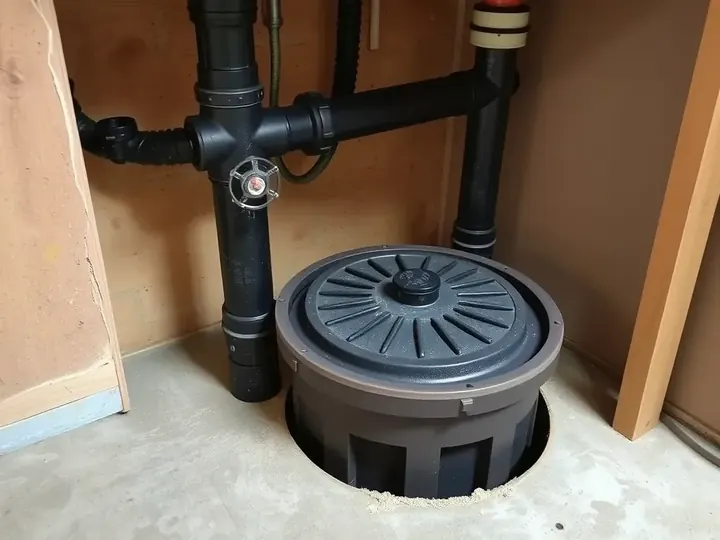
A backwater valve is a one-way valve installed on your home's main sewer line. Wastewater flows out to the street normally. If the city sewer main overloads or clogs and water starts to flow back toward your house, a flap inside the valve closes. That keeps sewage from rising out of your lowest drains, such as a basement floor drain, shower or toilet.
A home sewer backup is one of the worst messes a homeowner can face. Our guide on what to do during a sewer backup covers cleanup. This guide covers how to stop the next one.
If sewage is coming up right now, call our drain cleaning Flagstaff AZ team. We answer 24/7.
Which Flagstaff homes need a backwater valve?
The homes at most risk have drains below street level, such as basements, garden-level bedrooms or split-levels on sloped lots. Homes downhill from the street in neighborhoods like Cheshire, Upper Greenlaw and parts of Sunnyside are common examples. Model plumbing codes call for a backwater valve when fixtures sit lower than the next upstream sewer manhole cover.
Flagstaff's weather adds risk. Fast monsoon storms and heavy spring snowmelt can push extra water into the public sewer system through cracked pipes and manholes. When the main fills up, the lowest homes on the line feel it first.
If your home is on septic, as many are in Doney Park and Timberline, a backwater valve is less common. A septic backup usually means a full tank or a failing drain field, not a city main.
How does a backwater valve work?
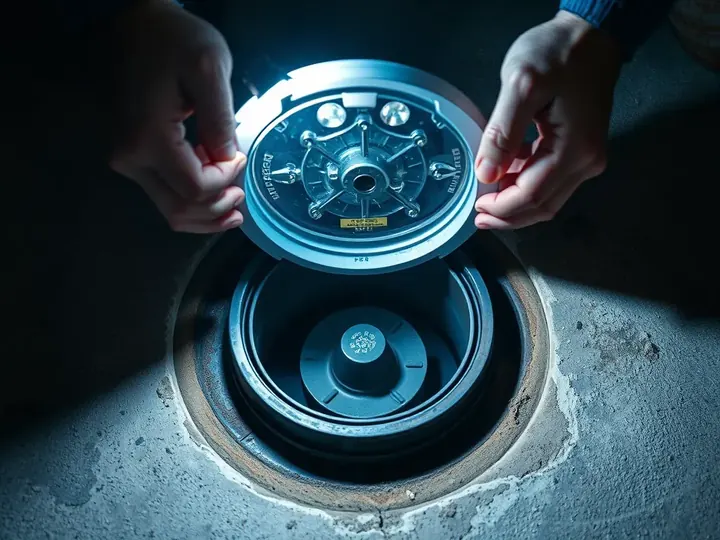
Most residential valves have a hinged flap, sometimes with a float, inside a clear-topped housing. Normal flow pushes the flap open. Reverse flow pushes it shut and seals it against a seat. An access cover on top lets you or a plumber see and clean the flap. A good valve is installed level, in an easy-to-reach spot, usually near the main cleanout.
A camera inspection, $200 to $450 in Flagstaff, shows the pipe's condition and depth before any valve is added. It also tells you whether your backups come from the city main or from a clog in your own line.
What are 5 signs a backwater valve is failing?
- Sewage still came up during a storm or city backup.
- Drains are slow throughout the house, and the valve flap is stuck partly closed.
- Sewer smell near the valve cover or floor drain.
- Debris is caught on the flap when you look through the clear cover.
- The cover leaks or the gasket is cracked.
How do you maintain a backwater valve?
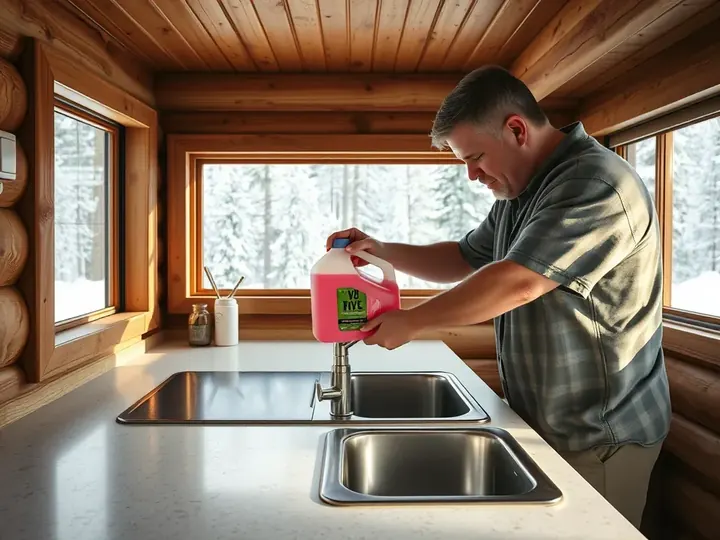
Check it at least twice a year, before spring snowmelt and before monsoon season starts in late June. Open the access cover, make sure the flap moves freely, and clear any paper, grease or debris. Look at the cover gasket and replace it if it is cracked. If the flap is coated in grease, the line upstream likely needs cleaning too.
- Keep the access cover clear of boxes and stored items.
- Never pour grease or flush wipes. Both foul the flap.
- Do not run the washer or dishwasher during a city backup, since the valve is closed and the water has nowhere to go.
- Know where your sewer cleanout is, since it sits close to the valve on most homes.
Is it a city backup or a clog in your own line?
If neighbors have backups at the same time, the city main is the likely cause, and a backwater valve is the fix. If only your home backs up, the clog is usually in your own sewer line. Grease, wipes and tree roots are common causes. Main line cleaning in Flagstaff runs $250 to $550, and root removal $350 to $900.
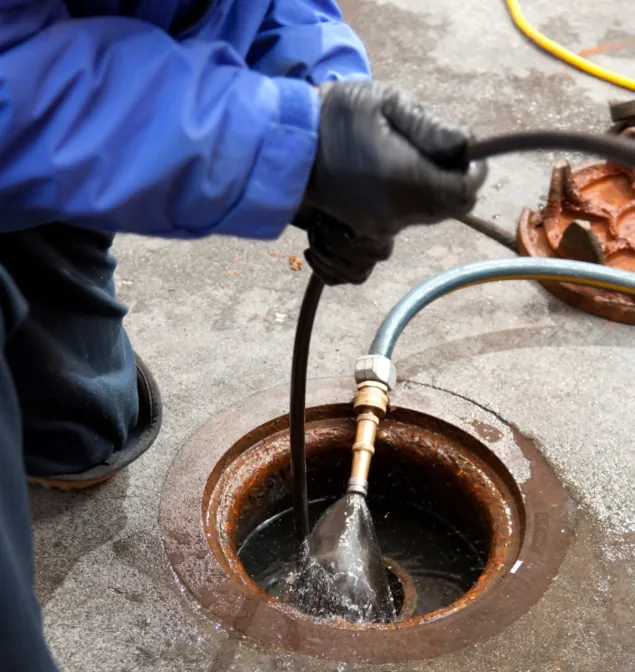
Lines with heavy grease or roots often need hydro jetting services to clear the full pipe wall, at $450 to $1,000. A clogged kitchen sink that keeps coming back is often the first sign of grease in the line.
When should you call a pro?
Call right away if sewage is coming up any drain, if the valve flap is stuck, or if you have had a backup and want to stop the next one. A tech can clear the line, run a camera, and tell you whether a backwater valve fits your home. For cracked or broken pipe found on camera, our drain repair Flagstaff crew can quote the fix before any work starts.
Frequently asked questions
Does a backwater valve stop all sewer backups?
It stops backups that come from the city main. It does not help with a clog in your own sewer line, which still needs cleaning.
Where is a backwater valve installed?
On the main sewer line, usually just inside or outside the foundation near the main cleanout, with an access cover at floor or ground level.
How often should I check my backwater valve?
At least twice a year, before spring snowmelt and before monsoon season, and after any storm that brought water close to your lowest drain.
Do Flagstaff homes on septic need a backwater valve?
Usually not. Septic backups come from a full tank or a failing drain field, not from a city sewer main.