Why does my kitchen sink keep clogging?
Grease is the main cause. Fats, oils and food residue go down warm, then cool and stick to the pipe wall. Over time that coating catches food scraps, coffee grounds and starchy foods like rice and pasta until water can barely pass. Flagstaff hard water adds scale that makes the buildup worse.
Kitchen clogs usually build slowly. The sink drains a little slower each week, then one day it stops. That slow start is your chance to fix it before it overflows.
- Grease and oil: from pans, meat drippings and salad dressing
- Starchy foods: rice, pasta and potato peels swell and form paste
- Coffee grounds and eggshells: settle in the trap like sand
- Fibrous scraps: celery, onion skins and corn husks wrap around disposal blades
- Soap and scale: build up on pipe walls and narrow the opening
How do I use a garbage disposal without clogging the drain?
Run cold water before, during and for about 15 seconds after grinding. Feed scraps in slowly in small amounts. Keep grease, coffee grounds, eggshells, pasta, rice, bones and stringy vegetables out. A disposal grinds food smaller, but it does not make it disappear, so the pipe still has to carry it.
| Okay in small amounts | Keep out of the disposal |
|---|---|
| Soft food scraps from plates | Grease, oil and fat |
| Small pieces of cooked vegetables | Coffee grounds and eggshells |
| Citrus peel, cut small | Rice, pasta and bread |
| Fruit scraps without pits | Potato peels, celery, corn husks, bones |
Scraping plates into the trash first is the single best habit for a clear kitchen line.
What can I safely try on a clogged kitchen sink?
Turn off the disposal and check that it is not jammed. Use a cup plunger over the drain while you block the other side of a double sink. If that fails, you can remove the P-trap under the sink with a bucket underneath and clean it out. Skip chemical drain cleaners.
- Check the disposal. If it hums but does not spin, it may be jammed. Turn it off and press its reset button.
- Plunge. Fill the sink with a few inches of water, block the other drain, then plunge firmly.
- Clean the trap. Put a bucket under the U-shaped trap, loosen the nuts by hand and clear it out.
- Flush. Run hot tap water for a minute after the clog clears.
What does it mean if both sides of my sink are clogged?
If one side drains and the other does not, the clog is usually in that side's trap or the disposal. If both sides are full, the clog is past the point where they join, in the line inside the wall or further down. If the dishwasher also backs up into the sink, the blockage is in the shared kitchen line.
If water also rises in a nearby tub or floor drain, or several fixtures slow down, the main sewer line may be blocked. See what to do during a sewer backup.
When should I call a professional for a kitchen clog?
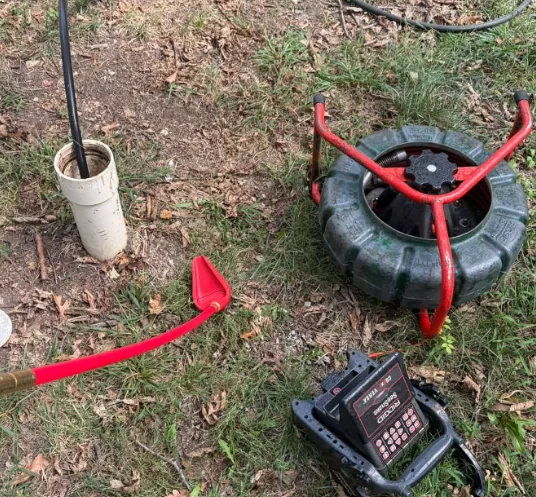
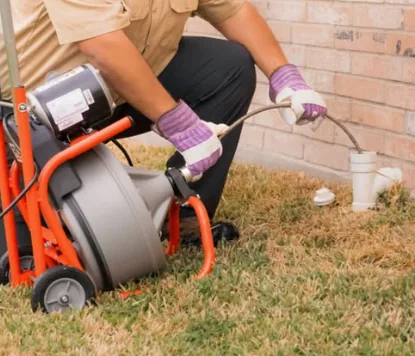
Call if plunging and cleaning the trap do not work, if the sink clogs again within weeks, if both sides and the dishwasher back up, or if other drains in the house are slow too. A cable machine reaches clogs inside the wall that home tools cannot.
- Still clogged after plunging and cleaning the trap
- Clogs come back every few weeks or months
- Dishwasher water backs up into the sink
- Other drains are slow at the same time
- Gurgling or sewer smell from the kitchen drain
Why does my kitchen sink clog again after it was cleared?
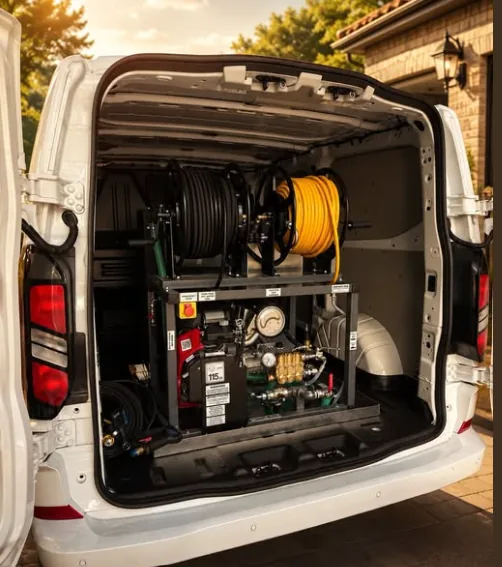
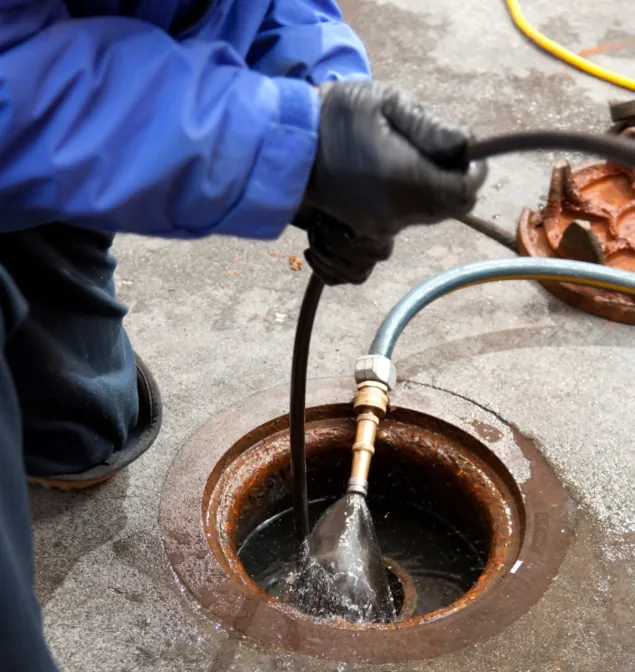
A drain snake opens a path through the grease, but leaves most of the coating stuck to the pipe wall. New food catches on it and the clog returns. Hydro jetting washes the grease off the entire pipe, which is why it is the long-term fix for repeat kitchen clogs.
Read our full comparison of hydro jetting vs. drain snaking. For restaurants and busy commercial kitchens, see our commercial drain care guide.
How much does kitchen drain cleaning cost in Flagstaff?
Clearing a single kitchen sink drain in Flagstaff costs about $125 to $325. Hydro jetting a greasy line is about $450 to $1,000. If the main sewer line is the problem, cleaning is about $250 to $550. Prices are approximate, and we confirm yours before any work starts.
See our Flagstaff drain cleaning cost guide and our kitchen and bathroom sink drain service.
Frequently asked questions
Can I pour boiling water down a clogged kitchen sink?
Hot tap water is fine. Boiling water can soften some grease, but it can also damage PVC joints and will not clear a solid clog. Never pour boiling water into a sink full of standing water with chemicals in it.
Is it okay to pour grease down the drain with hot water?
No. The grease cools and hardens farther down the line, where you cannot reach it. Let grease cool, then put it in the trash.
Why does my kitchen sink smell even when it drains?
Food and grease buildup inside the pipe or disposal can rot and smell. Cleaning the trap and disposal often helps. See our guide to why drains smell like sewer for other causes.
Can a clogged kitchen sink affect my dishwasher?
Yes. Most dishwashers drain into the kitchen sink line or disposal. When that line clogs, dishwasher water can back up into the sink or stay in the dishwasher.