What happens during a hydro jet drain cleaning visit?
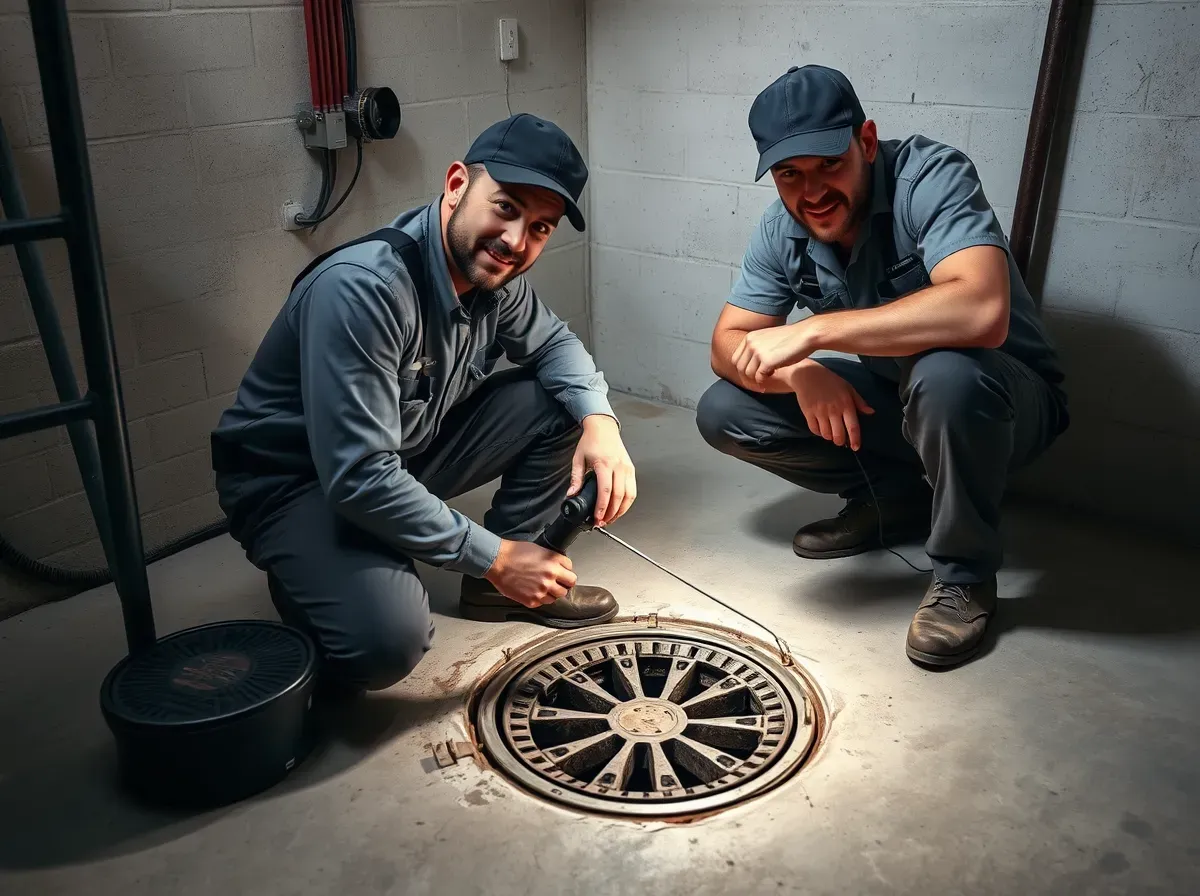
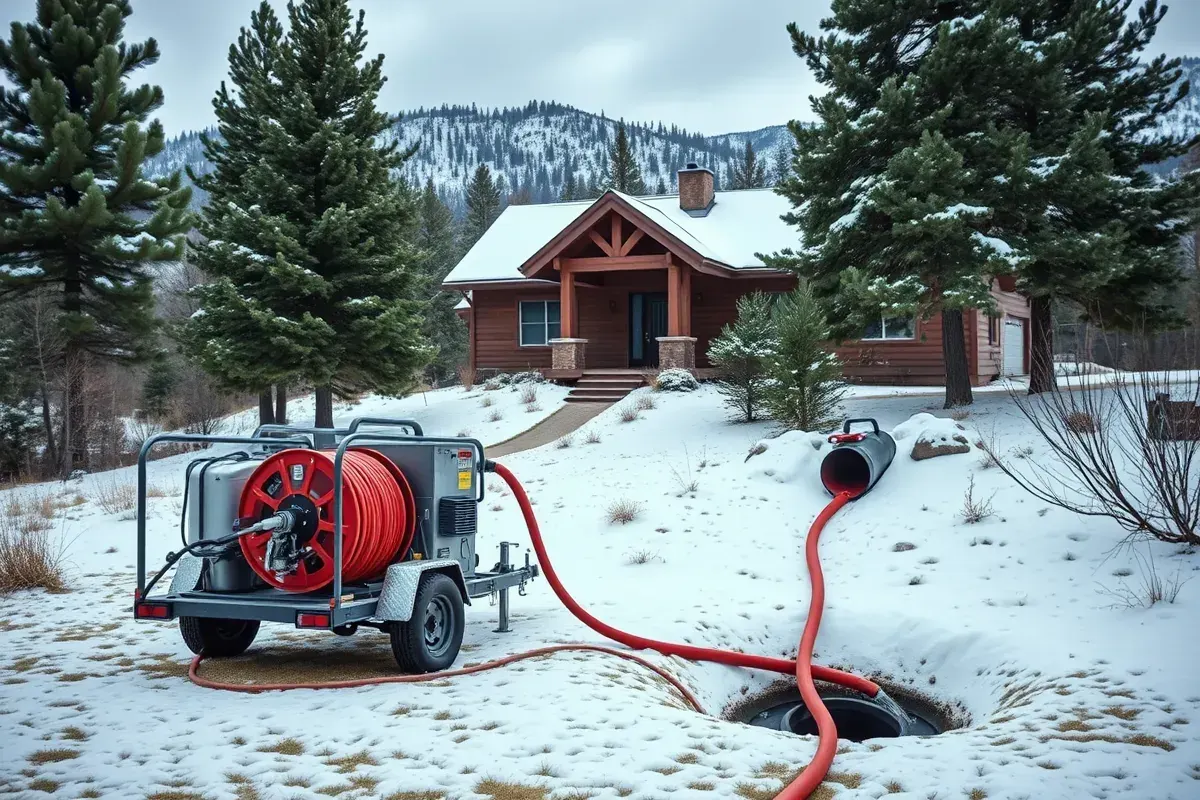
A hydro jet visit usually starts with a camera look inside the line, then the technician feeds a high-pressure hose through a cleanout and scours the pipe with water from the far end back toward the house. A second camera pass confirms the pipe is clean. Most home visits take about 1 to 3 hours.
Hydro jetting uses water at very high pressure, often 3,000 to 4,000 psi on residential jobs, to cut through grease, scale, sludge and small roots. It cleans the whole inside wall of the pipe instead of just poking a hole through a clog. If you are still deciding whether you need it, our page on hydro jetting services covers what it fixes and who it suits.
This guide is about the visit itself, so you know what to expect when the truck pulls up.
How should you get ready for the visit?
Find your sewer cleanout, clear a path to it, and stop running water about 30 minutes before the technician arrives. Move cars out of the way if the jetter is trailer-mounted. Write down what you have noticed: which drains back up, any gurgling, smells or past clogs. That list helps the tech choose where to start.
- Cleanout: usually a capped pipe a few inches across, near the foundation, in a crawl space or in the yard toward the street. In older homes in Sunnyside or Southside it may be in the basement.
- Clear access: move snow, firewood, pots or storage boxes away from it.
- Water off: no laundry, dishwasher or showers once the job starts.
- Pets inside: the jetter is loud and the hose moves fast.
- Parking: most jetters are on a trailer or truck and need to park within reach of the cleanout.
Why does the technician run a camera first?
A camera shows what is causing the clog, what the pipe is made of, and whether it is safe to jet. Roots, grease, a belly in the line or a crack all look different on screen. On old cast iron or clay pipe, the camera tells the tech how much pressure the line can take, or whether jetting should wait for a repair.
The camera head goes in through the cleanout and the technician watches a monitor as it travels toward the street. You can usually watch too. Ask them to point out joints, roots and any spots that look broken. Our guide to sewer camera inspection cost explains what the footage and report should include.
If the camera finds a collapsed section, jetting can't fix it. In that case the conversation turns to sewer line repair and who is responsible for which part of the pipe.
What happens while the line is jetted?
The technician picks a nozzle for the job, feeds the hose to the far end of the blockage, then turns on the pressure. Rear-facing jets pull the hose forward and scrub the pipe wall as it is slowly pulled back. Grease and debris wash down toward the city main. Roots may need a spinning cutter head first.
| Nozzle type | Used for |
|---|---|
| Penetrating nozzle | Punching through a hard blockage first |
| Flushing nozzle | Washing grease, sludge and sand off the walls |
| Rotating nozzle | Scouring scale and heavy buildup all around the pipe |
| Root cutter | Cutting roots before flushing them out |
You will hear the jetter running outside. Water may gurgle in floor drains or toilets as air moves through the line, which is normal. The technician usually works the line in passes, checking the flow between each one.
How long does hydro jetting take?
Most home visits take 1 to 3 hours from arrival to cleanup. A kitchen branch line packed with grease can take about an hour. A main sewer line with roots, a long run to the street or no outside cleanout can take longer. A full day is rare unless the line also needs repair work.
- Setup and camera: 20 to 40 minutes.
- Jetting passes: 30 minutes to 2 hours, depending on buildup.
- Final camera and cleanup: 20 to 30 minutes.
Access is the biggest factor. If the only way in is a roof vent in winter, or a toilet that has to be pulled, add time.
What happens after the jetting?
The technician runs the camera again to show the pipe is clear, then runs water through the line to confirm it drains fast. You should get a look at the before and after footage, notes on any problem spots, and advice on how often the line should be cleaned. The cleanout cap goes back on and the area is cleaned up.
Ask for these before the tech leaves:
- A copy or link to the camera footage.
- Notes on roots, sags or cracks they saw.
- A suggested cleaning schedule, for example every 18 to 24 months for lines with roots.
- What was found, like grease, roots, wipes or scale.
How much does a hydro jetting visit cost in Flagstaff?
Hydro jetting in Flagstaff usually costs about $450 to $1,000, depending on the line, access and how heavy the buildup is. A sewer camera inspection runs about $200 to $450 if it is priced separately. Standard main line cleaning with a cable machine costs about $250 to $550.
| Service | Approx. cost in Flagstaff |
|---|---|
| Main sewer line cleaning | $250 – $550 |
| Hydro jetting | $450 – $1,000 |
| Sewer camera inspection | $200 – $450 |
Ask whether the camera passes are included in the jetting price. Many companies bundle them.
What changes for a winter visit in Flagstaff?
At 7,000 feet, winter adds a few steps. The technician may need you to clear snow from the cleanout, and the jetter has to be protected from freezing between uses. Water left in shallow lines can freeze, so lines get flushed well and the cleanout gets capped tight. Cabins that sit empty should be checked after the job.
- Shovel a path and clear the cleanout before the visit.
- Keep the heat on in crawl spaces where pipes run.
- In Kachina Village, Mountainaire and Doney Park cabins, run water through every drain after the job before leaving.
Flagstaff Drain Pros handles drain cleaning flagstaff az homeowners call for, from Downtown and Cheshire to University Heights, Continental and Country Club. Call (928) 352-0514 24/7.
Frequently asked questions
How long does hydro jetting take?
Most residential hydro jetting visits take about 1 to 3 hours. A simple kitchen line can be done in an hour. A main sewer line with heavy roots or grease, or a line with no outside cleanout, takes longer.
Will hydro jetting make a mess in my house?
Usually not. The hose goes in through an outside cleanout or a roof vent when possible, and the water flows down the drain line. If the only access is inside, the technician lays down drop cloths and sets up near the drain.
Do they always do a camera inspection before hydro jetting?
A good company runs a camera first, especially on older Flagstaff lines. It shows the blockage, the pipe material and any cracks or sags, so the technician can pick the right nozzle and pressure and confirm the pipe can handle jetting.
Do I need to be home during hydro jetting?
Someone should be home to give access, point out the cleanout and see the camera footage at the end. You do not need to watch the whole job, but you should not run water while the line is being cleaned.
How much does hydro jetting cost in Flagstaff?
Hydro jetting in Flagstaff usually costs about $450 to $1,000. A sewer camera inspection runs about $200 to $450, and standard main line cleaning about $250 to $550.